3 hr
Silfra Fissure Snorkeling with Dry Suit & GoPro Photos
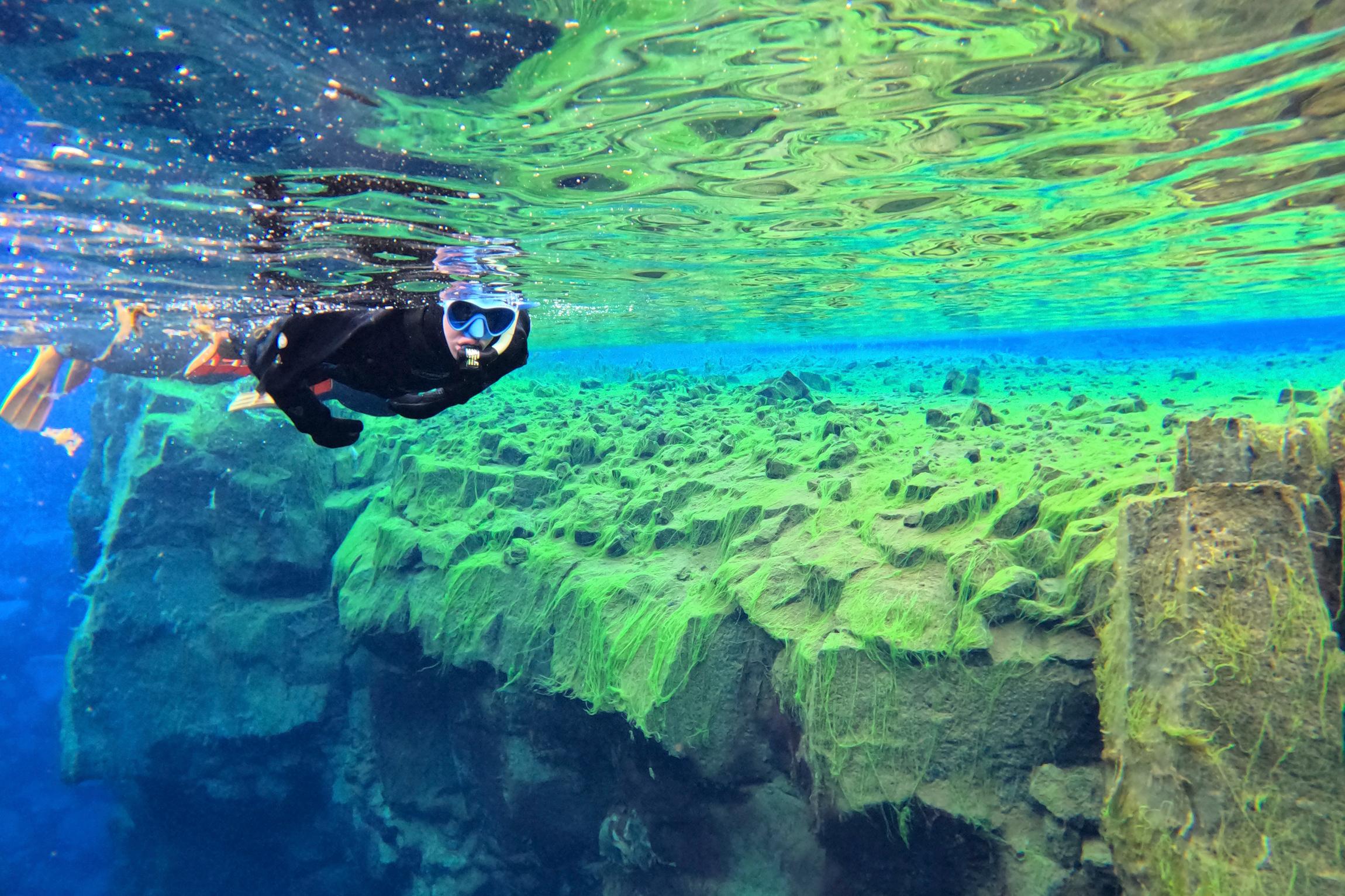
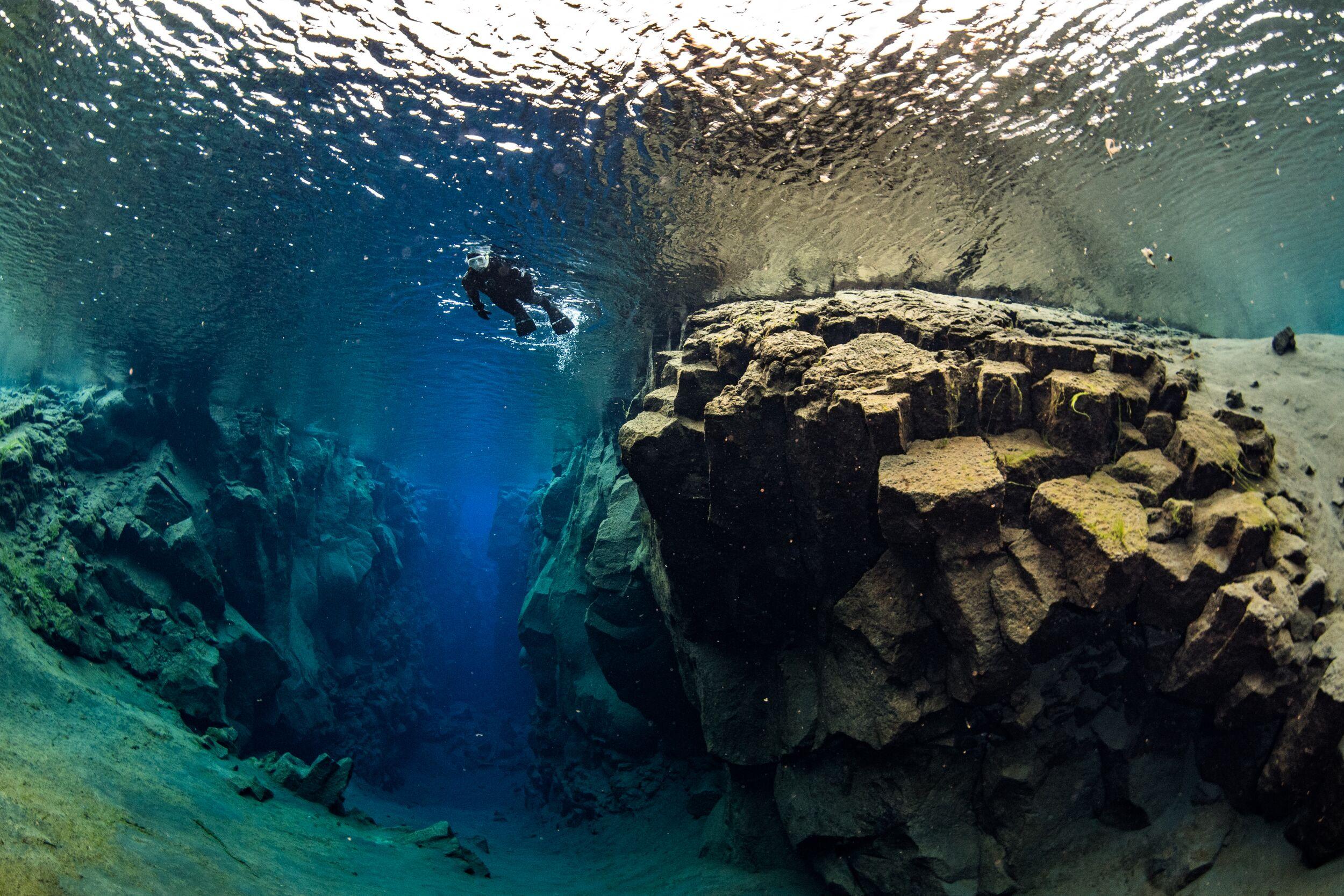
Snorkel between two tectonic plates in Iceland's crystal-clear glacial waters wearing a warm dry suit.
Reserve
Volcanic rock under a glass sea, morning light doing the rest.
Hand-picked by our editors — only the best 12 experiences from 240 reviewed.
Verified partners for Cano Island Snorkeling tours, free cancellation where available, and instant confirmation on every booking.
3 hr
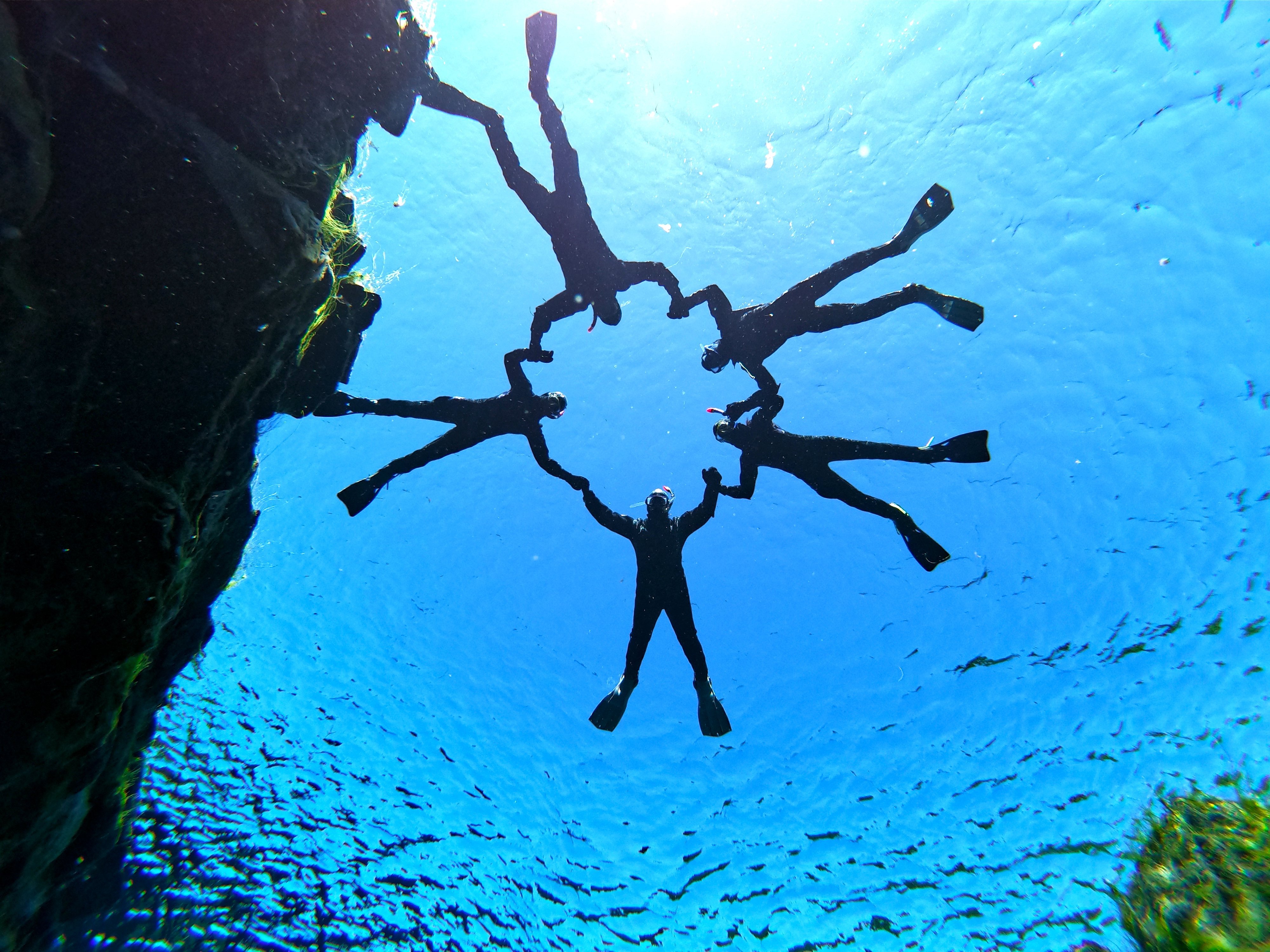
Snorkel between two tectonic plates in Iceland's crystal-clear glacial waters wearing a warm dry suit.
Reserve
5 hr 30 min
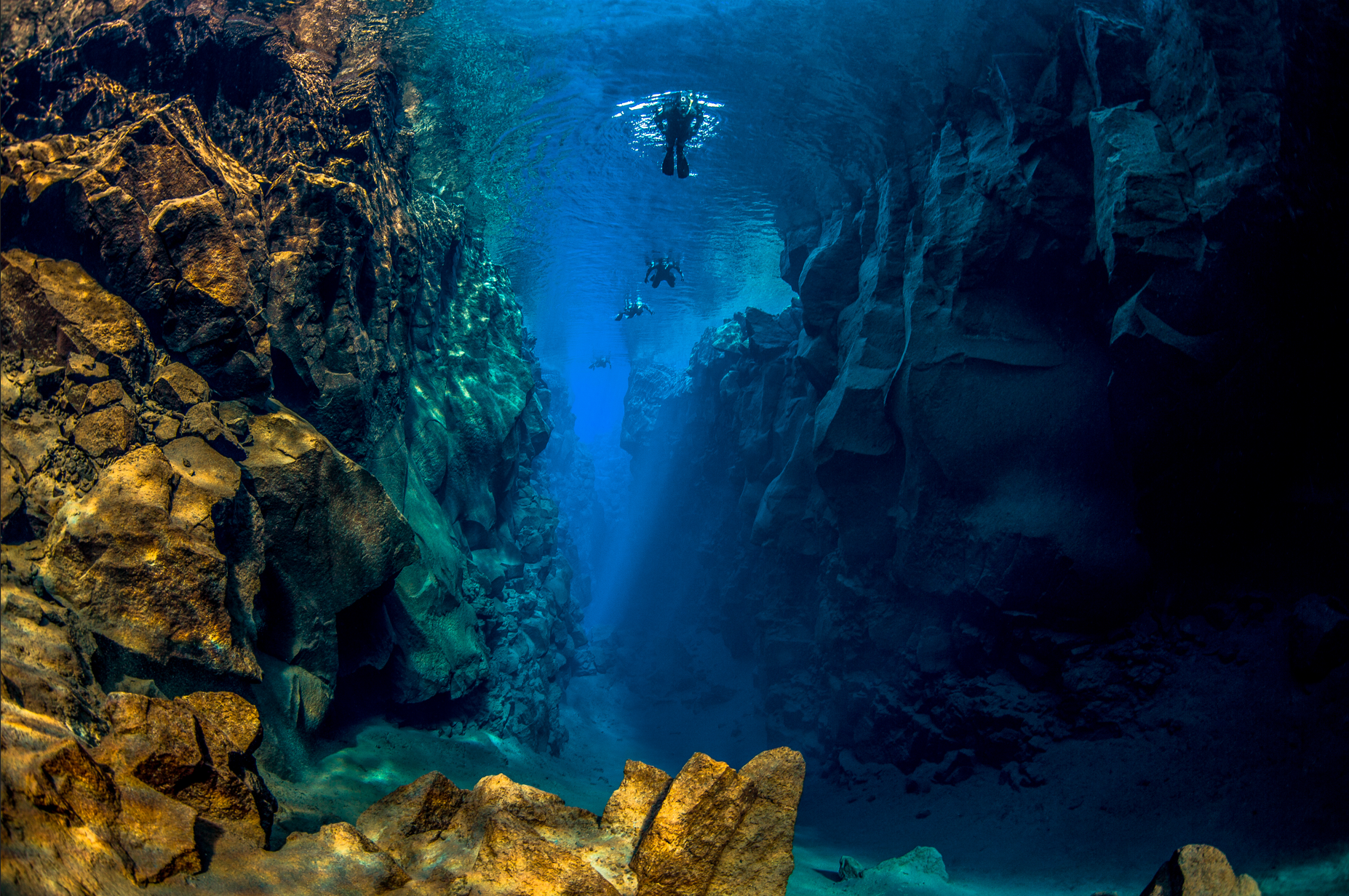
Float between the American and European tectonic plates in Thingvellir's legendary crystal-clear glacial waters.
Reserve
3 hr
Snorkel between two tectonic plates in Iceland's clearest water — visibility stretches a full 100 metres.
ReservePrices from verified partners. Availability updates in real time at checkout. Free cancellation policies apply where shown.
The landmarks, rooms, and views travelers on Cano Island Snorkeling tours remember — all visible on a single visit.
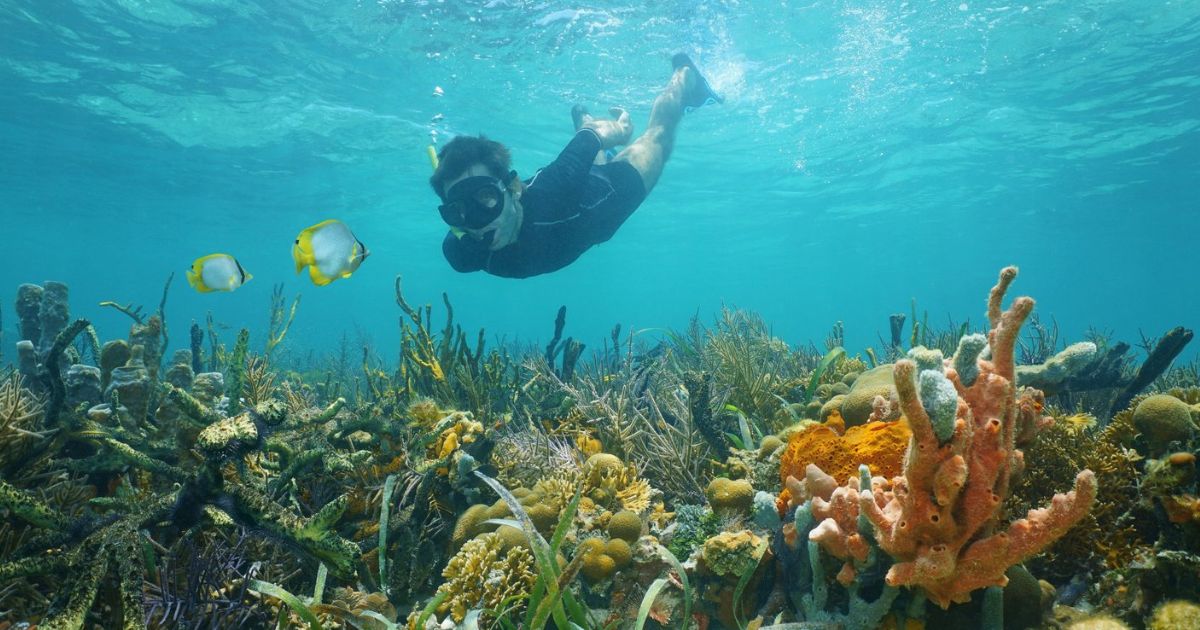
Five distinct reef platforms provide a sanctuary for sea turtles and sharks.;,Underwater reef landscape,coral reef snorkeling
Mysterious stone artifacts on the island suggest an ancient indigenous burial history.;,Ancient granite sphere in jungle,archaeological landmark
Home to diverse species including white-tip reef sharks, rays, and schools of jack fish.;,Underwater school of jack fish,tropical fish swimming
Dense forest paths offer a glimpse into the island's unique flora and fauna.;,Lush rainforest trails,tropical forest hiking
Extensive coral formations that rank among the healthiest in the Pacific region.;,Close up of brain coral,coral reef marine life
Every Cano Island Snorkeling tour side-by-side — duration, what's included, how you redeem.
| Experience | Duration | Rating | Small group | Free cancel. | Price | |
|---|---|---|---|---|---|---|
|
Standard Entry Most popular
Silfra Fissure Snorkeling with Dry Suit & GoPro Photos
|
3 hr | ★ 4.9 | ✓ | ✓ | €126 | Book → |
|
Standard Entry
Silfra Fissure Snorkeling: Swim Between Two Continents
|
5 hr 30 min | ★ 4.7 | ✓ | ✓ | €119 | Book → |
|
Standard Entry
Silfra Rift Snorkeling: Half-Day with Free Underwater Photos
|
3 hr | ★ 4.8 | ✓ | ✓ | €119 | Book → |
All prices from verified partners. Availability and exact terms confirmed at checkout.
They complement each other; most visitors who do both call the reef-dense waters of Caño Island snorkeling the more thrilling option for pelagic encounters, while Corcovado excels in coastal biodiversity.
| Feature | Top pick Caño Island | Corcovado Tours |
|---|---|---|
Marine Life Diversity |
Pelagic species and coral reefs | Mangrove and coastal marine species |
Underwater Visibility |
High 20–60 feet | Low 5–15 feet |
Transit Time |
1.5–2 hours by boat | 1–2 hours by boat |
Accessibility |
Boat access only | Boat or coastal trek |
Guided vs Independent Potential |
Guided tours required | Guided tours mandatory |
Conservation Focus |
Strict biological reserve | National park protection |
| See tickets → |
Verdict: Choose cano island snorkeling tours for superior clarity and open-ocean life, or select Corcovado if you prefer integrated mangrove and terrestrial coastal wildlife encounters with your cano island snorkeling tickets.
Choose your ticket, select your date, and reserve in under two minutes. Secure checkout handled by our verified partner.
Instant confirmation by email, with a mobile voucher you can save offline. No printing, no queuing at a collection desk.
Arrive at the entrance, show your voucher on your phone, and walk in. Most tickets include priority or skip-the-line access.
Practical details for Cano Island Snorkeling tickets straight from our verified partners — hours, access, rules, and how to get there.
Drake Bay, Puntarenas
Confirm local operator pickup time
Open in Google MapsDaily departures from Drake Bay or Uvita via licensed tour operators
Wear swimwear, comfortable light clothing, and sandals for boat transitions. A long-sleeve sun shirt is highly recommended for cano island snorkeling protection.
Keep belongings minimal and water-resistant. Use dry bags provided by operators, as boat travel to the reserve involves ocean spray.
Underwater cameras are ideal for capturing marine life. Please maintain distance from wildlife and respect the protected status of the coral reefs.
The reserve has limited facilities and no formal paths for those with mobility impairments. Boat boarding from beaches requires physical agility.
Cellular service is extremely unreliable on the water. Keep devices in dry bags when not in use.
The boat ride can be long, so ensure children are comfortable with ocean travel. Always verify the minimum age with your specific tour operator.
Most excursions provide water and a picnic lunch on the mainland. Consumption of food or drink on the island itself is restricted to protect the environment.
No animals are permitted within the biological reserve. Please leave pets at your mainland accommodation.
All visitors must travel with a registered guide. Booking your cano island snorkeling excursion in advance is essential due to strict daily entry limits.
Best time to go, insider tips, nearby landmarks, and the cancellation fine print — flip through to skim what matters to you.
How crowds, weather, and events shift across the year.
Dry season offers the calmest seas and highest visibility for cano island snorkeling. Temperatures are warm and ideal for long days on the water.
Small details that turn a good visit into a great one.
Daily visitor caps mean cano island snorkeling tours sell out weeks in advance. Coordinate with your hotel to secure a spot with a reputable operator.
Non-bookable sights within a short walk — free to visit, easy to pair.
Renowned for deep rainforest biodiversity and rugged hiking trails.
Flexible, no hidden fees.
Tours often require 72-hour notice for partial refunds. Conservation fees of 15 USD are typically non-refundable as they are paid directly to the reserve.
Hand-picked options within walking distance — pick a district for vibe, or a specific hotel for convenience.
Secluded stays near the departure beaches.
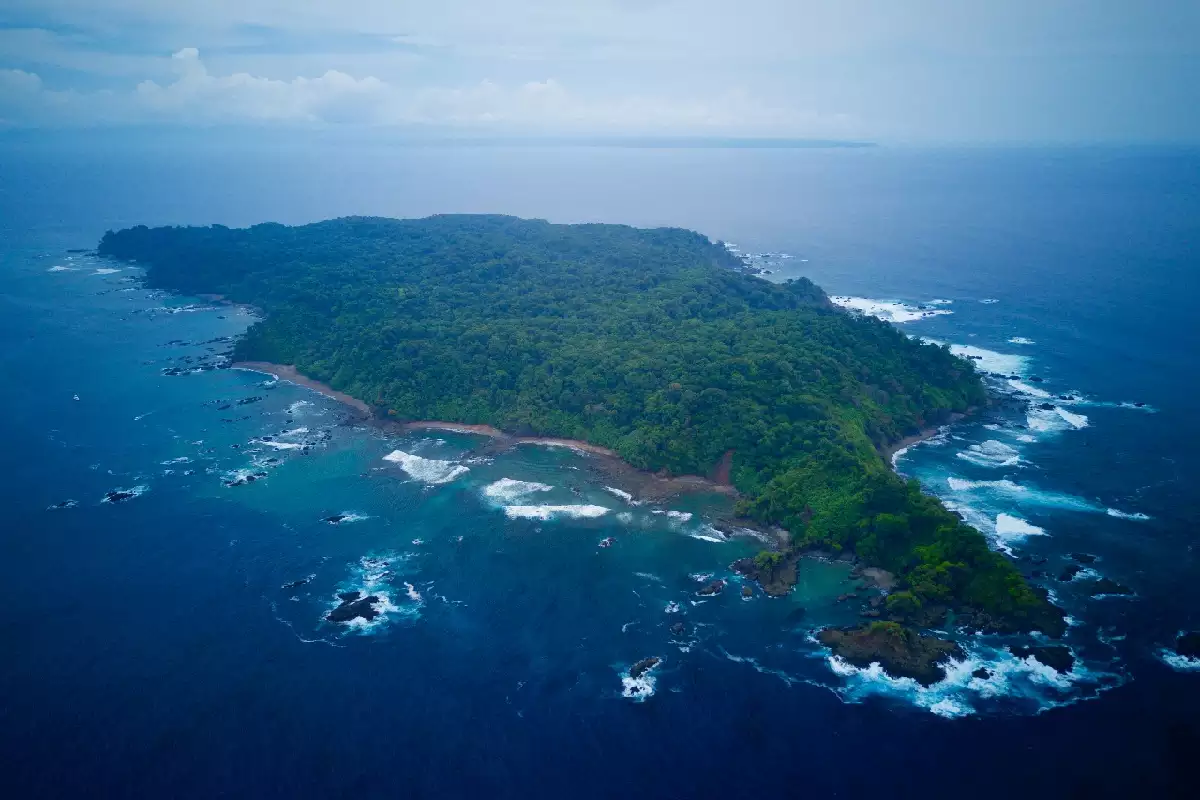
Caño Island sits some 20 kilometres off the Osa Peninsula, and its forest floor holds carved granodiorite spheres that nobody has fully explained. The island itself covers roughly 326 hectares of land. Its surrounding marine zone protects several thousand more.
Peoples associated with the Diquís culture ferried those spheres across open water and set them on high ground, alongside burial goods. No permanent settlement followed. What draws attention now is submarine: a series of low coral and rock platforms ringing the island in shallow water, the reason Caño Island snorkeling appears on nearly every Pacific-coast itinerary drawn up in this part of the country.
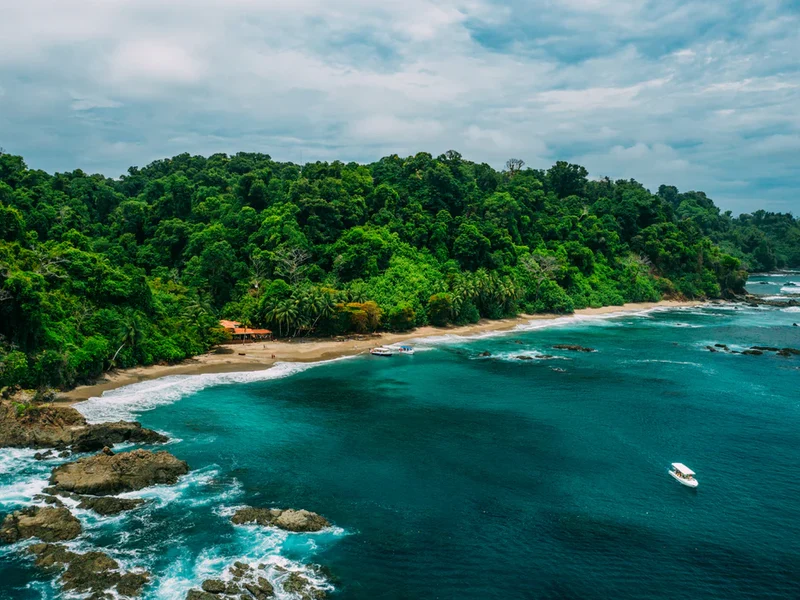
Costa Rica declared the Isla del Caño Biological Reserve in 1978, placing it under the administration of SINAC. Protection has tightened since. Landings are now sharply limited, and most visitors never set foot on the beach at all; the reserve is met from the water. Boats leave from two mainland hubs, and the logistics differ. Caño Island snorkeling from Drake Bay covers about 17 kilometres of open Pacific. The crossing from the Bahía Ballena coast runs closer to 60 kilometres and follows a shoreline where humpback whales calve.
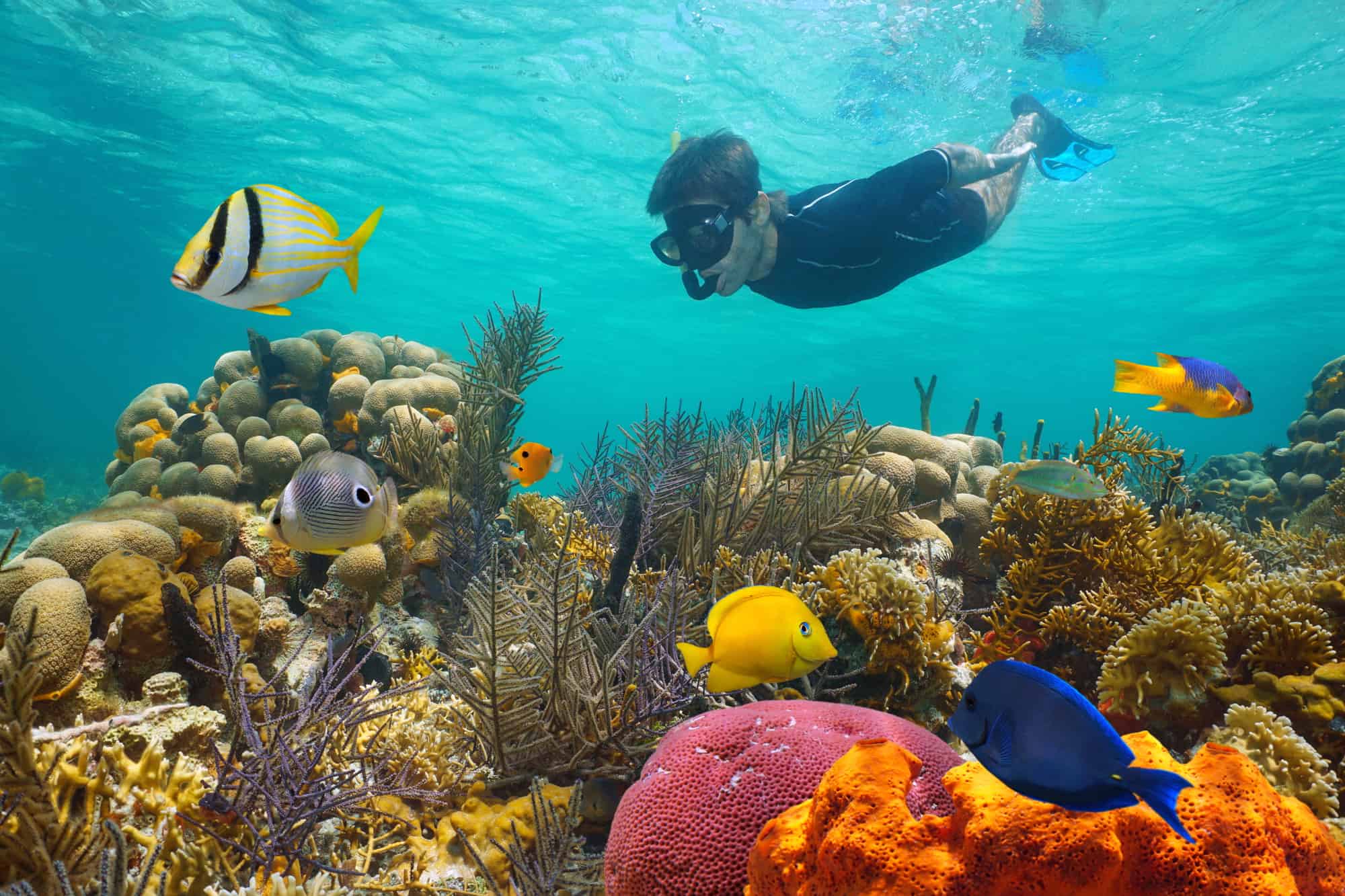
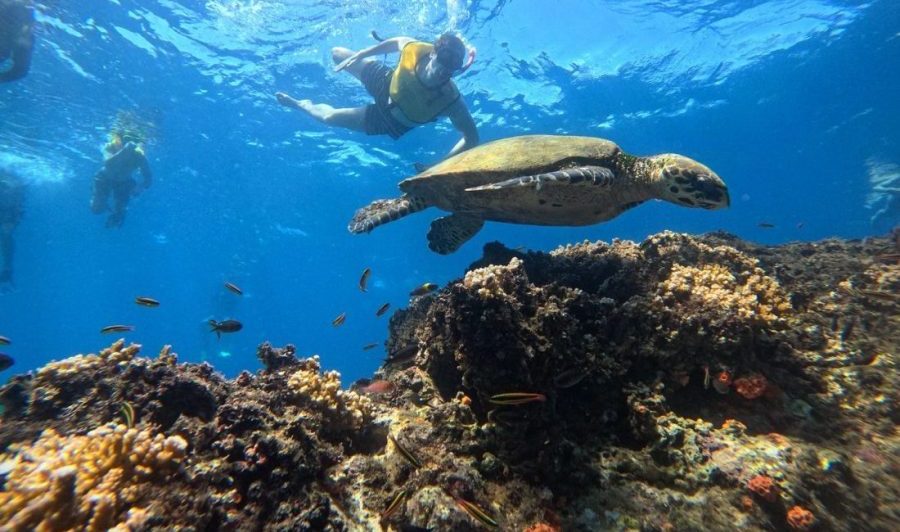
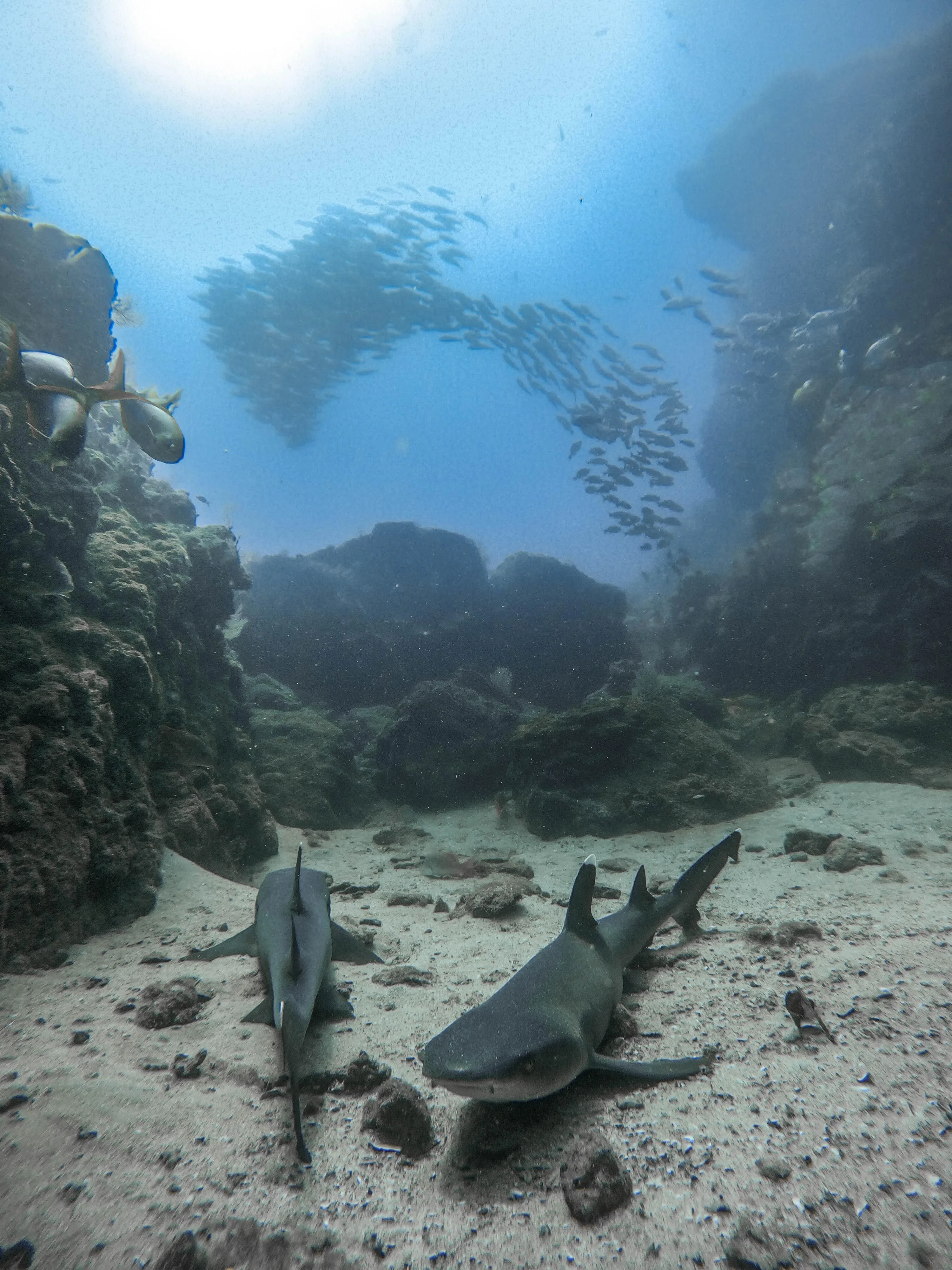
The reefs are unusual for the eastern Pacific. Cauliflower coral dominates the platforms, growing in the lee of the island where sediment carried by the Sierpe and Térraba rivers rarely reaches. Water clarity here regularly exceeds that of the mainland coast by a wide margin, which is why Caño Island snorkeling tours from Uvita and Drake Bay have built a reputation among divers who otherwise travel to Cocos. Whitetip reef sharks rest in sand channels. Hawksbill and green turtles graze the shallows. Spotted eagle rays cross in loose formation, and schools of king angelfish hold station over the rock. Bajo del Diablo, a pinnacle system off the northeast flank, sits deeper and belongs to scuba.
The reserve doubles as a working laboratory. Researchers monitor coral bleaching across the platforms, and the 15 USD conservation fee charged to foreign visitors supports ranger patrols and mooring maintenance that keep anchors off living reef. The island's forest, dense with fig and wild cacao, remains thinly studied by comparison. Together the two halves make a compact case for how the country manages its marine estate: an outcrop with a prehistoric past, a reef that is measured and defended, and, on any clear morning inside the 08:00–16:00 window, the plain visual reward of Caño Island snorkeling.
"An outcrop with a prehistoric past, ringed by a reef that is measured and defended."
A step-by-step walkthrough of Cano Island Snorkeling tickets — what you'll see, how long each stage takes, and the details that matter.
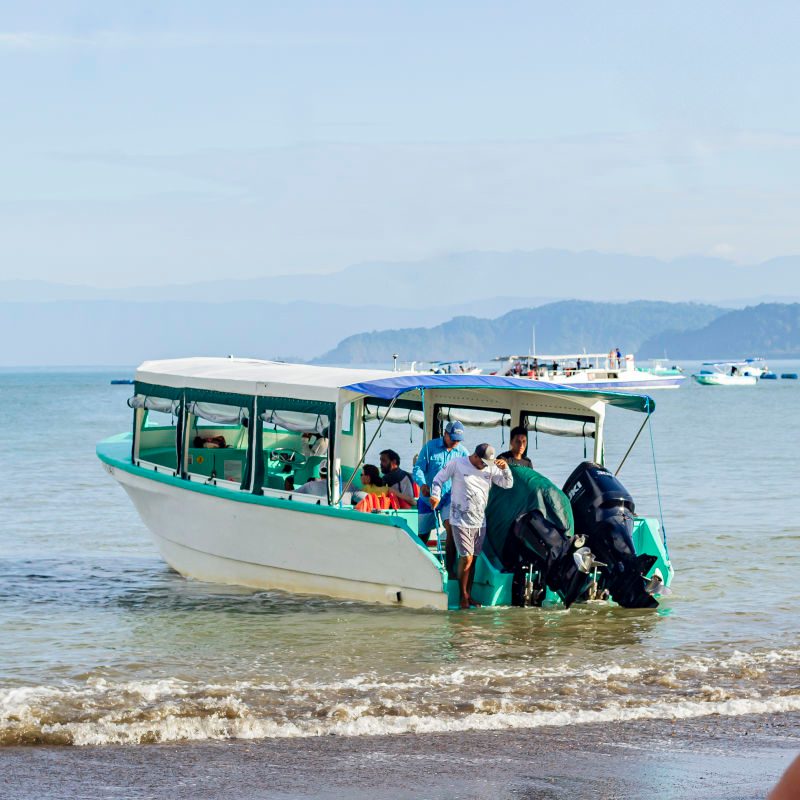
You wade out to the panga from the sand, shoes in hand, and pull yourself over the gunwale while the crew steadies the bow. A Caño Island snorkeling tour from Drake Bay runs about forty minutes across open water; the Uvita crossing takes longer, and you feel every swell of it. Flying fish break ahead of the hull.
The guide hands out fins, asks your mask size, then points at the low green ridge on the horizon.
At the mooring, your Caño Island snorkeling tickets are checked against the ranger's manifest before anyone enters the water. You spit in the mask, rinse it, and slide off the transom. The cold lasts two seconds. Below you the coral platform begins at about three metres and shelves gently outward. A whitetip reef shark lies motionless in a sand channel. You hover, count to four, and let it be.
You surface, clear the snorkel, and swim the reef edge with the current rather than against it. Parrotfish crunch audibly on the coral, a sound you feel more than hear. A hawksbill turtle rises past your shoulder to breathe, then folds back down. Between sites you sit on the rail with a towel and a slice of pineapple, salt drying on your forearms, watching the ridge slide past while the second mooring comes up and the crew coils the bow line.
The reserve is open daily from 08:00–16:00. Tours typically operate within the 08:00–12:00 arrival window for optimal conditions.
Yes, all foreign visitors must pay a 15 USD conservation fee to access the Caño Island Biological Reserve.
Tickets for cano island snorkeling tours must be reserved through authorized local operators who manage the daily entry permits.
The best time for cano island snorkeling is during the dry season, between December and April, for the best visibility.
Yes, families are welcome, but check the minimum age requirements with your specific cano island snorkeling operator.
Photography is encouraged, but maintain a safe distance from marine life while enjoying your cano island snorkeling adventure.
Bring a reusable water bottle, solar-safe sunscreen, a towel, and a sun shirt for your cano island snorkeling trip.
No, there are no restaurants on the island; your tour provider will typically arrange a lunch on the mainland.
The only way to reach the site for cano island snorkeling is via a registered tour boat from Drake Bay, Sierpe, or Uvita.